Drug driving is illegal and can affect your judgement, reaction times and concentration. The consequences can affect much more than the journey itself.
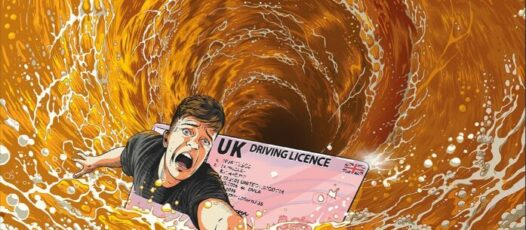
Our ‘Don’t Put Drugs in the Driving Seat’ campaign brings those consequences to life, showing how drug driving can cost you your licence, independence and future opportunities.
How can drugs affect your driving?
Drugs can make it harder to react quickly, concentrate and make safe decisions behind the wheel. For example, stimulants like cocaine or MDMA can increase dopamine levels in the brain, which in turn can make people feel more confident or capable than they physically are. Other drugs like cannabis or laughing gas can slow down reaction time and distort perception and attention.
As a result, some drugs can remain in your system long after the immediate feeling has worn off. This means you can run the risk of drug driving days later.
“Feeling fine” does not necessarily mean you are safe to drive.
What could drug driving cost me?
A drug-driving conviction would cost you your licence and much more. It can affect:
- your job
- your insurance
- your independence
- your ability to travel to some countries like the USA
- your future opportunities
Police also frequently carry out roadside drug tests. If you are convicted, you could face:
- a minimum 12-month driving ban
- a criminal record
- an unlimited fine
- up to 6 months in prison
- an endorsement on your licence for 11 years
Causing death by careless or dangerous driving while under the influence of drugs can result in life imprisonment and a minimum five-year driving ban.
What should I do instead?
If you have taken drugs leave the car behind and:
- stay at a friend’s
- book a taxi
- arrange a lift with someone who has not taken drugs or alcohol
- hand your keys to someone you trust
- collect the car another day
If you have taken drugs, don’t drive.
What does the law say about drug driving?
Drug driving is illegal. There is a zero-tolerance approach to driving with certain illegal drugs in your system, with legal limits set very low to rule out accidental exposure (i.e. passive smoking).
The law also covers some legal and prescription medicines. If you are unsure whether a medicine could affect your driving, speak to your doctor or pharmacist.
Find out more about drug-driving law on GOV.UK
Where can I get help?
THINK! campaigns
Don’t Put Drugs in the Driving Seat is the most recent campaign to highlight the consequences of drug driving and encourage drivers to make a safer choice. Visit the campaign page to find out more and download campaign resources.